UK Tibet groups call on Foreign Secretary to recognise Tibet in catastrophic flood coverage
Tibet groups call out foreign office for how they referred to the catastrophic flash flooding on the Nepal-Tibet border, with no mention of Tibet or Tibetan people.
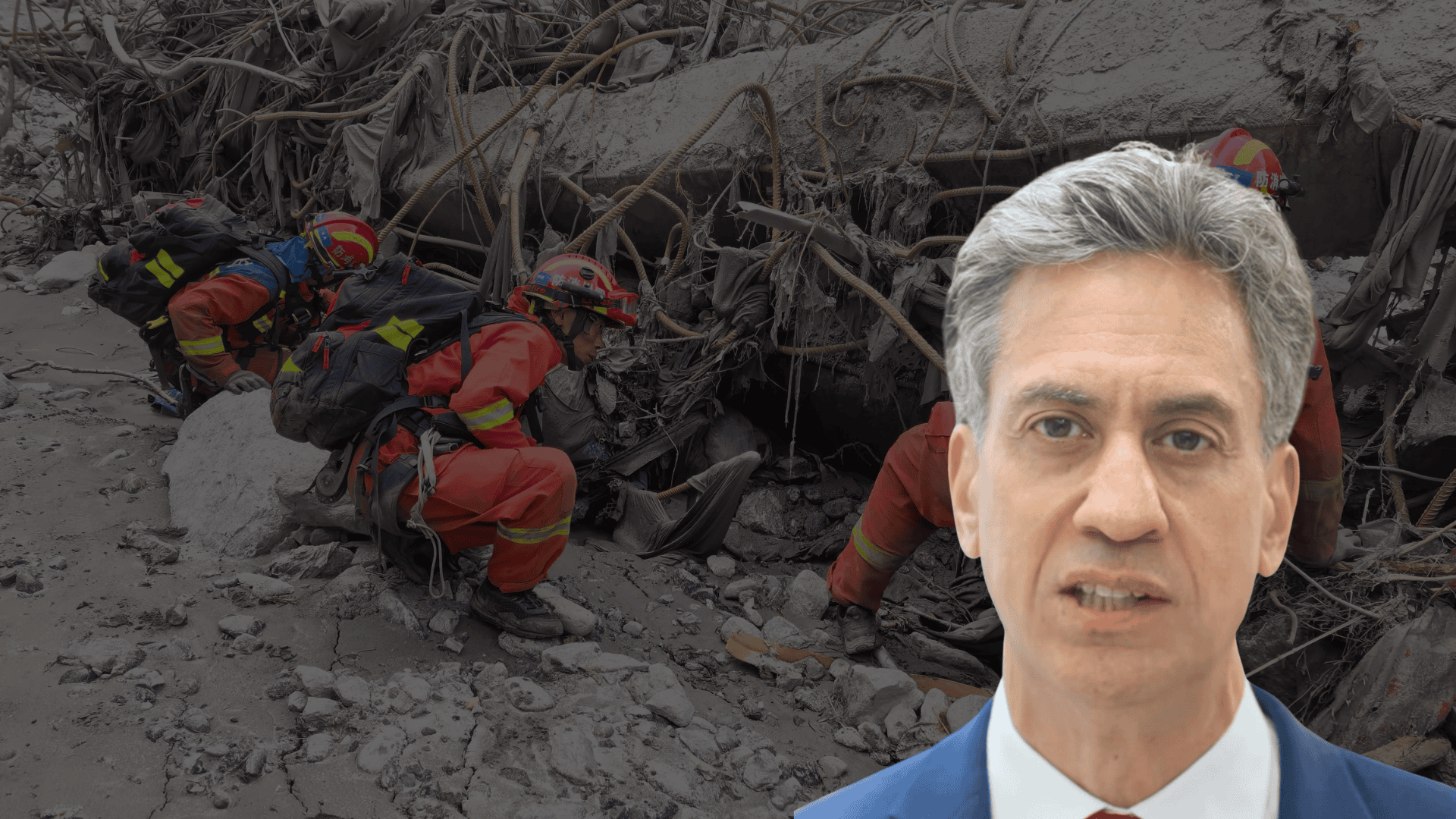
Rt Hon Ed Miliband
Secretary of State for Foreign, Commonwealth
and Development Affairs
Foreign, Commonwealth and Development Office
Whitehall
London SW1A 2AH
1 September 2026
Dear Minister,
We represent a coalition of Tibet groups and the Tibetan community in the United Kingdom. We are writing to express our dismay at the way your office has chosen to refer to the catastrophic flash flooding on the Nepal-Tibet border, with no mention of Tibet or mention of the Tibetan people.
In a video posted on social media on 27 August, you referred to the “devastating floods on the Nepal-China border”. On the same day, the FCDO social media account published a post outlining how “the UK is responding to the flash flooding on the Nepal-China border”. A day later, in a social media post about supporting British nationals affected by the floods, you opened with the line “My thoughts are with everyone affected by the devastating floods we’ve seen in Nepal and China”. Tibet was not mentioned in any context during these videos. During a deadly natural disaster, such lapses in accuracy and respect for Tibet has real world consequences.
At this moment, Tibetans around the world and inside Tibet are grieving at the scale and suspected toll of the crisis. The location of the flash floods, Kyidrong, lies between Nepal and Tibet. Located in Shigatse Prefecture in the region of Ü-Tsang (commonly reported internationally as the Tibet Autonomous Region), it is not only an important border crossing used by tourists, pilgrims and locals, but also home to Tibetan villages. To talk about this disaster without even mentioning the word Tibet is to erase these victims.
As you know, occupied Tibet remains cut off from the wider world, consistently ranked by Freedom House as one of the very least free places on Earth. Leading human rights organisations like Human Rights Watch have reported extensively on the dire state of civil liberties there, chief among them being the punishing levels of surveillance and tight restrictions on the transmission of information, forcing Tibetans into self-censorship and impeding communication with the wider world.
Due to these restrictions, no photographic or video evidence has emerged of the damage to Tibet by the flooding and there are no casualty figures beyond Chinese state media reporting three deaths and several hundred missing. Tibet research groups have issued credible concerns that China’s tight restrictions are preventing us from learning of far higher casualty figures and hindering Tibetans’ ability to share vital information about the crisis.
The FCDO owes it to Tibetans to correct the record and use accurate and respectful terminology with regards to Tibet. This includes mentioning Tibet and Tibetans in social media posts and following the lead of the BBC, New York Times and other leading media outlets in referring to the location as the Nepal-Tibet border rather than the Nepal-China border.
Therefore, we urge you to retract these posts, and any others that address the crisis but give no mention of Tibet, and ensure that future posts do include Tibet.
Furthermore, we call on the FCDO to address deeper concerns around censorship by publicly calling on China to ensure that it allows rescue efforts inside Tibet to take place without restrictions on the free flow of information or other impediments.
We would be happy to meet with you and FCDO staff to discuss this matter further and ensure that your department does not repeat these hurtful errors by omission.
We are looking forward to hearing from you.
Yours sincerely,
Tenzin Rabga, Free Tibet
Tenzin Yangzom, International Tibet Network
Pema Yoko, Tibet Action Institute
Phuntsok Norbu, Tibetan Community in Britain
Tashi Samuels, V-TAG UK