Tendzin Choegyal, brother of the Dalai Lama, dies age 80
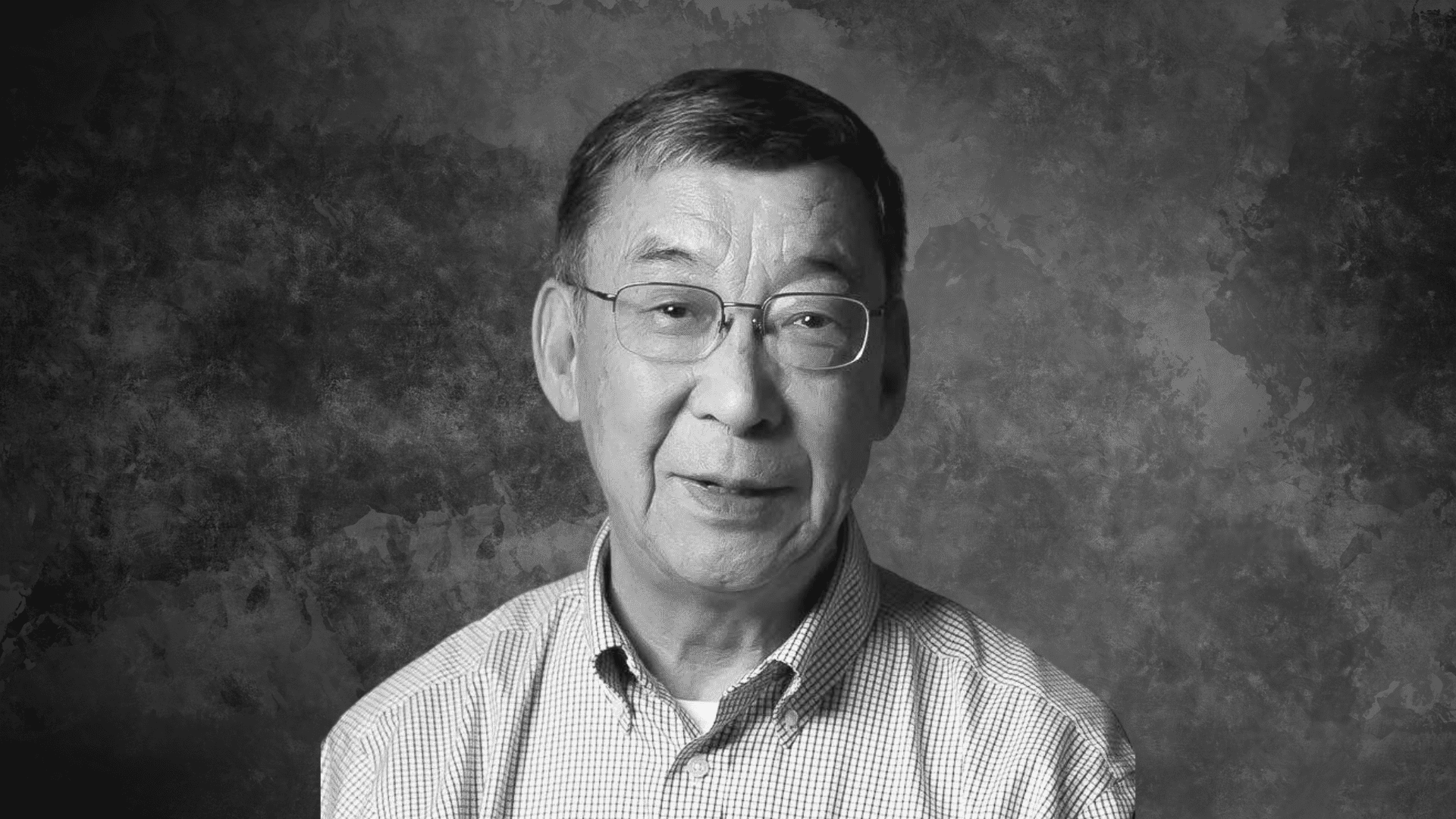
Tendzin Choegyal, widely known as Ngari Rinpoche, is remembered for his integrity, dry wit, candour and generosity, as well as his deep, unwavering devotion to His Holiness.
Tendzin Choegyal, widely known as Ngari Rinpoche, the youngest brother of His Holiness the 14th Dalai Lama, died on 17 February, the eve of Losar, the Tibetan New Year, at his home in Dharamsala, India. He was 80 years old.
Born in Lhasa in March 1946, he was named Tendzin Choegyal by his elder brother and became known affectionately among friends as ‘T.C.’. At four years old, he was recognised as the 16th reincarnation of Ngari Rinpoche, a lineage of Buddhist masters historically connected to western Tibet, with traditional responsibility for several monasteries in Ngari and Ladakh.
Although he briefly visited the monastery near Lhasa founded by the first Ngari Rinpoche to be enthroned, he remained at home until the age of six, after which he began formal religious studies there which were later continued at the great monastic university of Drepung.
From an early age, Tendzin Choegyal’s life unfolded at the centre of momentous events in Tibetan history. He accompanied His Holiness during the 1954–1955 visit to China and again on the 1956 visit to India for the Buddha Jayanti celebrations, a crucial diplomatic visit in the course of which the Dalai Lama was able to discuss the deteriorating situation in Tibet with Prime Minister Nehru.
In March 1959, at 13 years old, he fled Tibet with the Dalai Lama and his entourage in the wake of the Chinese invasion and occupation of their homeland. Like tens of thousands of Tibetans, he went into exile in India, where he would spend the rest of his life.
In exile, he received formal modern education at a Jesuit boarding school in Darjeeling, before going on to pursue further studies in the United States. Despite his extensive travels for education, he was known to always keep his Tibetan Buddhist heritage close to heart.
Although recognised as a reincarnate lama, Tendzin Choegyal chose the path of a householder. He admitted to being scared when he had to tell his elder brother that he was going to give back his monk’s robes: “[His Holiness] can be stern,” he told journalist Tim McGirk. However, his brother accepted the decision warmly: “You may have just disrobed,“ the Dalai Lama advised his brother, “but you haven’t shredded your commitment to Buddhism.”
Upon his return to Dharamsala, he began working at the Tibetan Children’s Village, contributing to the education and welfare of Tibetan children growing up in exile. In 1972, he married Rinchen Khando who would become head of the Tibetan Women’s Association, founder of the Tibetan Nuns Project, and later a minister in the Central Tibetan Administration. She shared with him a lifelong commitment to the preservation of Tibetan culture and the empowerment of Tibetan women and nuns. Together they raised two children, Tenzin Choezom and Tenzin Lodoe.
Tendzin Choegyal devoted his life to serving His Holiness the Dalai Lama and the Tibetan people. He worked for many years in the Office of His Holiness the Dalai Lama as well as in the Tibetan Department of Security. He was involved in the early years of the Tibetan Youth Congress and later became a member of the Tibetan Parliament in Exile.
He travelled extensively with the Dalai Lama on post-1959 visits to countries around the world, representing him at religious and cultural engagements and speaking at educational institutions in India and abroad about the suffering fellow Tibetans endured. He was regarded as knowledgeable and forthright, able to articulate both the spiritual and political dimensions of Tibet’s struggle with clarity and conviction.
Despite his lineage and public responsibilities, Tendzin Choegyal maintained a modest and approachable presence in Dharamsala. Those who knew him recall his integrity, dry wit, candour and generosity, as well as his deep, unwavering devotion to His Holiness.
Ngari Rinpoche is survived by His Holiness the Dalai Lama; his elder sister Jetsun Pema and her family; his wife Rinchen Khando Choegyal; their daughter Tenzin Choezom; their son Tenzin Lodoe; and their extended family.
Information supplied by Tibet Watch.